
Cetinje
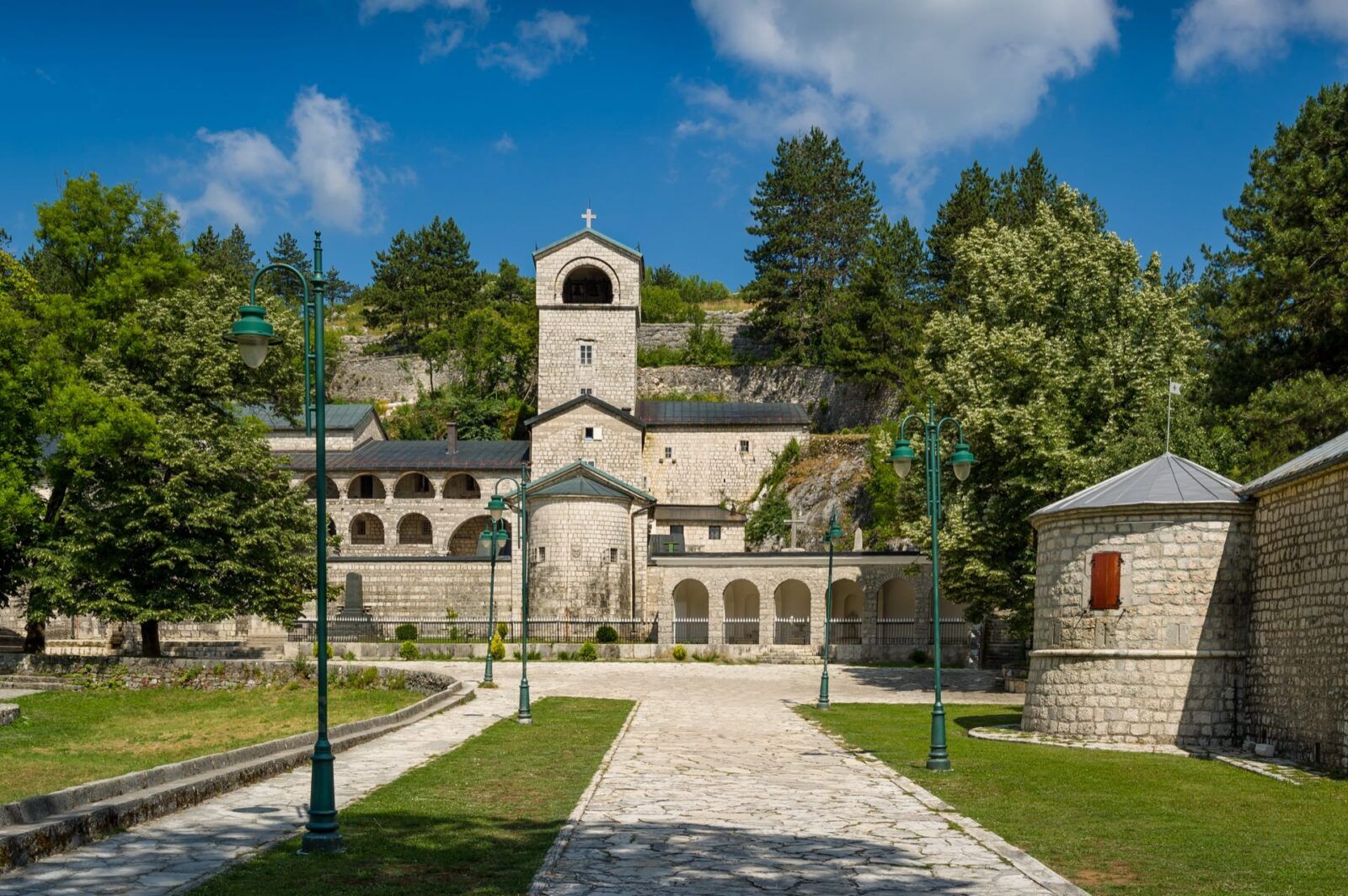
Nestled in the fields of Cetinje at the base of Lovcen mountain, Cetinje is a treasure of Montenegrin cultural and historical heritage. It boasts architecture from the 18th and 19th centuries set against lush greenery. As the capital of Montenegro and Crnogorsko – primorska Mitropolija, it flourished under King Nikola’s reign, with embassies built that shape its unique appearance today. Two iconic buildings are the Monasteries of Cetinje and Biljarda.
Cetinje Monastery was constructed in 1701 and, despite multiple destructions by the Turks, was repeatedly rebuilt by the people. It houses relics of Saint Petar of Cetinje, a key patron in Montenegrin history, serving as the spiritual and political seat of the Montenegrin people.
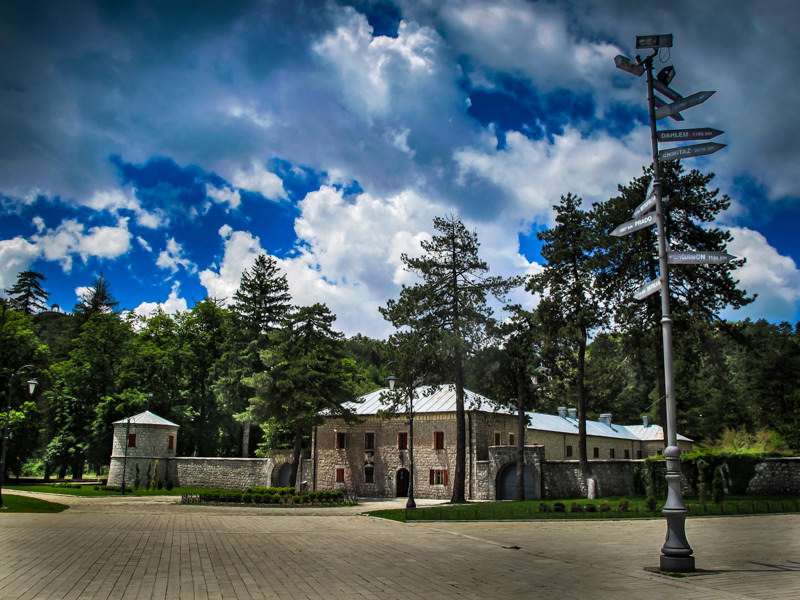
For state purposes, Njegos built Biljarda, named after the billiards game he enjoyed. Cetinje is rich in museums, the Art Academy, parks, and offers stunning views from Orlov Krs of the city and Lovcen mountain. Consequently, it attracts many visitors seeking cultural depth.
A beloved destination, especially in summer, is Ivanova korita, featuring a well-arranged hotel complex, a children’s rest home, and a recently adapted mountain home. Moreover, another must-visit near Cetinje is Rijeka Crnojevica, adding to its appeal for travelers.
Discover Cetinje’s Hidden Gems
Explore the most iconic landmarks, historical sites, and must-see spots that make this destination unique.
Learn More about Cetinje
Dive deeper into the local culture, history, and practical travel advice to prepare for your upcoming journey.