
Biogradska Gora National Park
Biogradska Gora National Park is a pristine European rainforest near Kolašin, home to unique flora and fauna, including ancient trees and glacial lakes like Biogradsko Lake, offering recreational activities and rich historical significance.
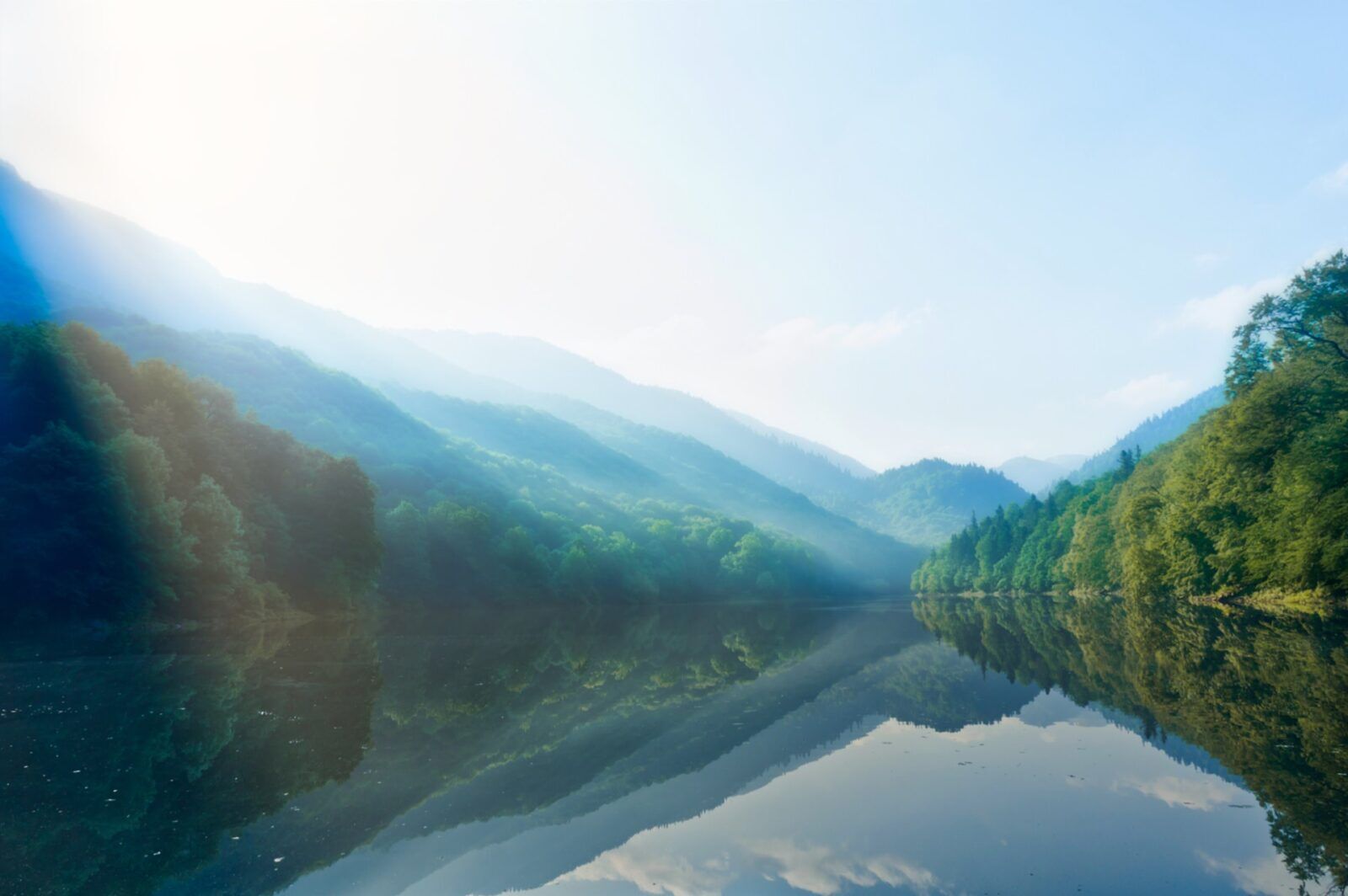
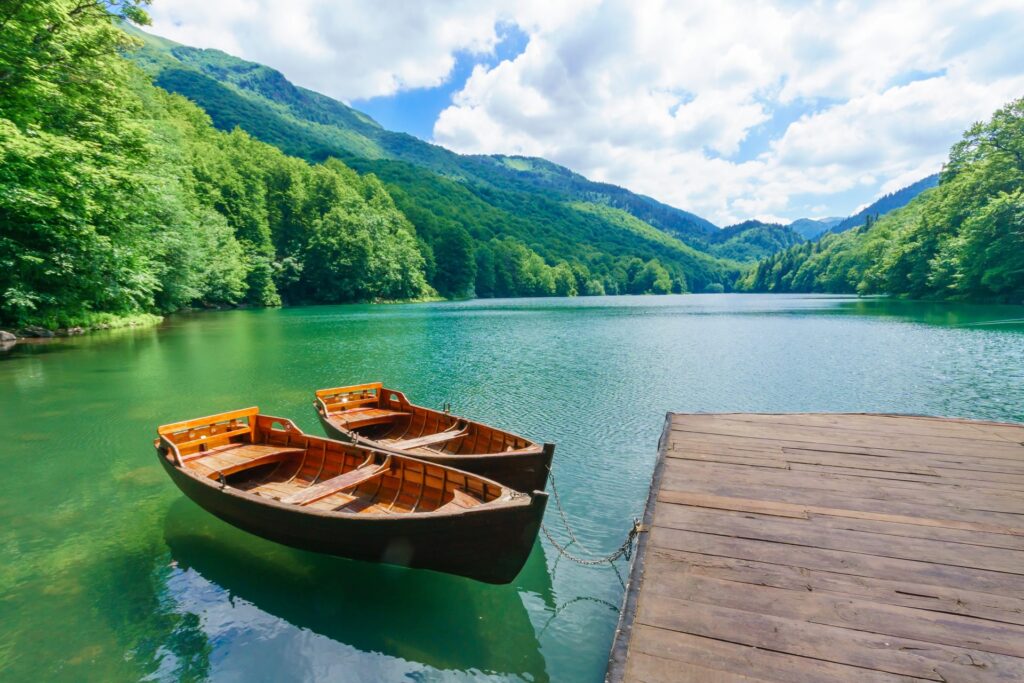
Pearl of European natural heritage, Biogradska Gora National Park is almost the only European rainforest. It surrounds the fantastic Biogradsko Lake, located just a few kilometers from Kolašin. For a long time under the protection of rulers, people say not a single tree has been cut here. Consequently, this natural reservation preserves dozens of plant and hundreds of animal species found only in this place in Europe. Don’t miss a chance to visit its most significant corners in a one-day tour, take a boat ride on the lake, or see cultural-historical monuments.
Central to the entire park is Biogradsko Lake, covering 230,000 m² at 1,094 meters above sea level. Together with Jezerstica, its outpour tributary, it forms a water complex of exquisite beauty. Above the lake, which stretches over 54,000 hectares, huge mountain wreaths rise, reflecting in its calm surface for millennia.
Overview and Significance
Location
Biogradska Gora National Park is in the mountainous region of Bjelasica, located centrally in Montenegro between the Tara and Lim Rivers. It is surrounded by three municipalities: Kolašin, Berane, and Mojkovac. The park covers 5,400 acres and is encircled by mountains over 2,000 meters high, featuring nine glacial lakes and one lowland lake, Lake Biograd. The seat of the park is in Kolašin.
Importance
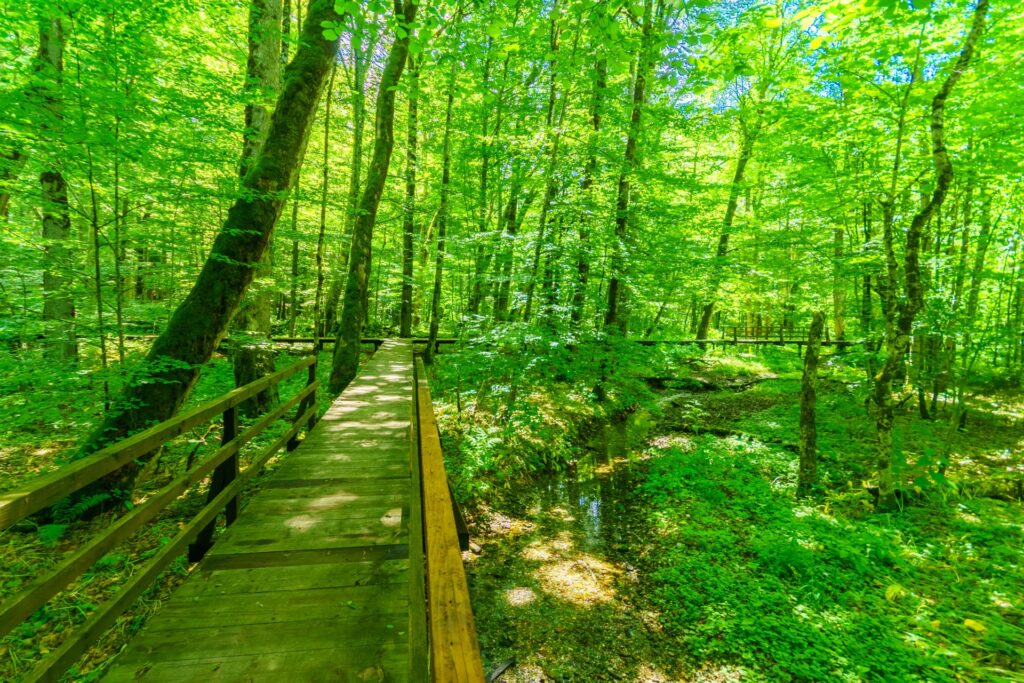
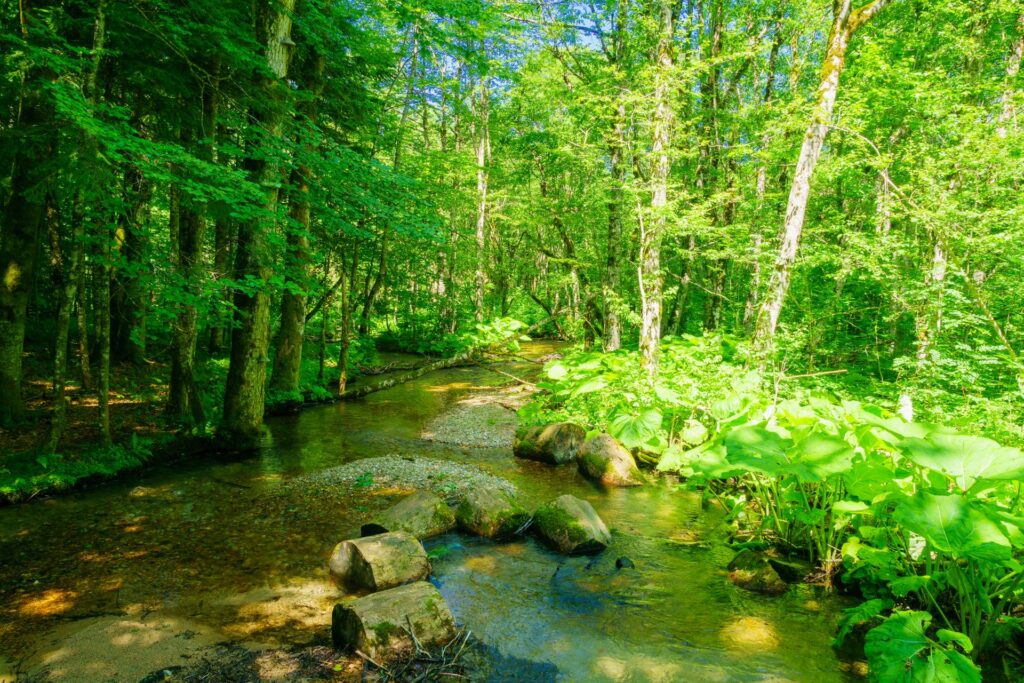
Although the smallest of Montenegro’s four national parks, Biogradska Gora National Park boasts diverse flora and fauna. It has 26 plant habitats with 220 different plants, 150 bird species, 10 mammal species, and 86 tree species. Moreover, its waters host three trout species and 350 insect species. Key elements include an untouched forest with trees over 500 years old, large mountain slopes, glacial lakes at 1,820 meters, and easily accessible Lake Biograd at the park entrance. Indeed, the park is renowned as a unique geological-morphological region, making it highly attractive for scientific research.
Historical and Recreational Aspects
History
Near the Bar-Belgrade railway, Biogradska Gora National Park is a witness to history. Close by, battles occurred between Turks and Montenegrins/Serbs, with significant actions in the First Balkan War of 1912. This region was also a center for partisan activities in WWII. For years, shepherds used its rich pastures for grazing sheep and cattle. These slopes are still used as pastures today, and visitors enjoy the hospitality of shepherds in their summer houses.
Recreation
Mountaineering and visiting are the most popular summer activities in Biogradska Gora National Park. South of the park, there is a ski course. In summer, visiting high tops with land cruisers is also popular. Hunting is permitted outside Category II regions, and fishing is allowed in lakes. Picking blackberries and raspberries in Category IV regions is another summer activity.
History of the Park
When Kolašin was liberated from Turkish rule in 1878, people from Morača and Rovca presented part of the forest to King Nikola Petrović. This forest, known as “Branik Kralja Nikole,” was protected. Biogradska Gora National Park was proclaimed a national park in 1952.
Transport and Connection
Biogradska Gora National Park is located by the Bar-Belgrade railway and the Podgorica-Belgrade highway. Trains stop at Kolašin and Mojkovac stations, with local trains serving intermediate stops. The train does not stop at the park entrance. Regular bus transport is available, and taxi services operate in Kolašin and Mojkovac. Most visitors use private cars or arrive in organized groups.