
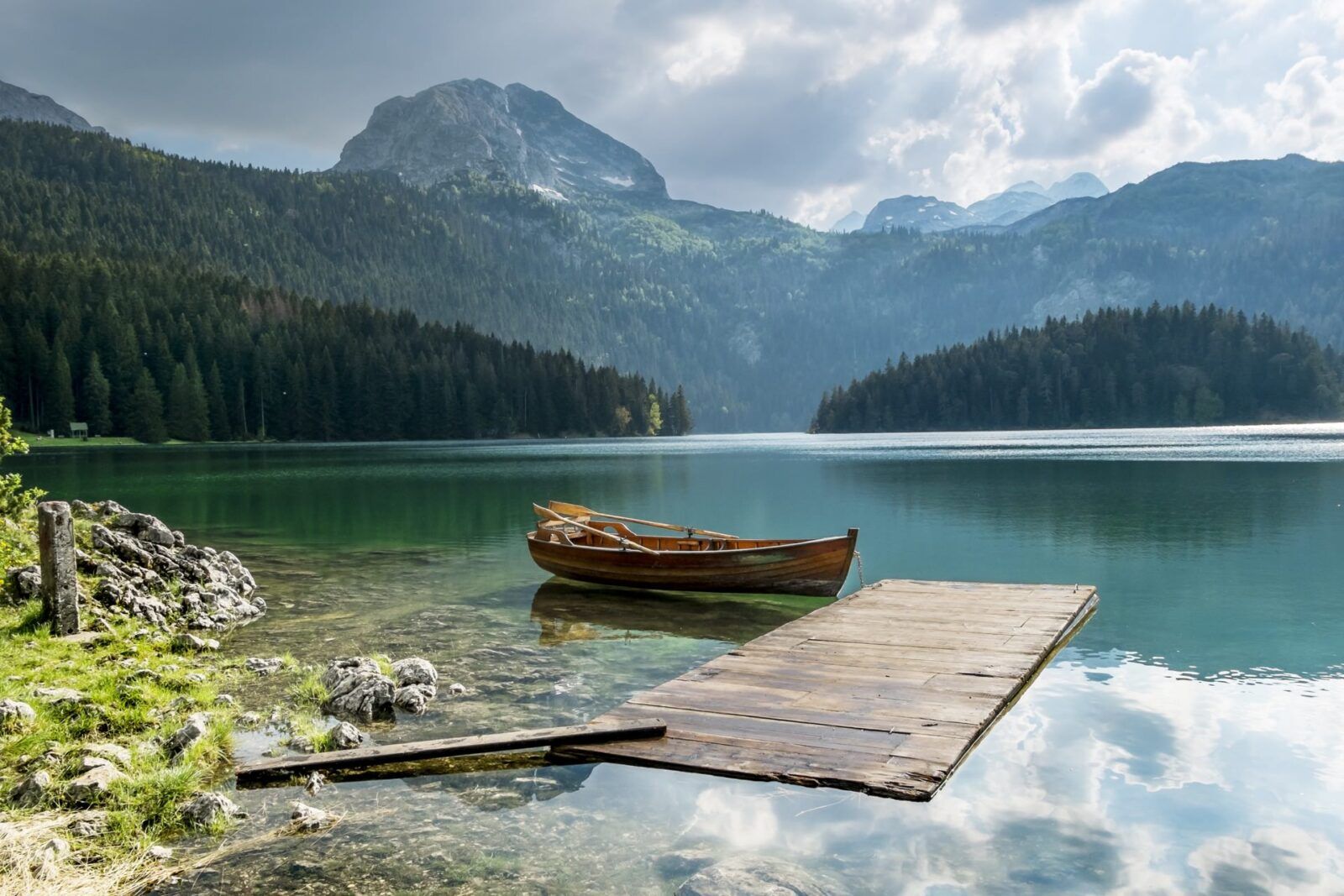
Durmitor Mountain
Durmitor Mountain is a stunning high mountain dome in northern Montenegro, featuring deep canyons, glacial lakes, and rich biodiversity, making it a premier destination for adventure and nature lovers in the heart of Europe.
Geography and Landscape of Durmitor Mountain
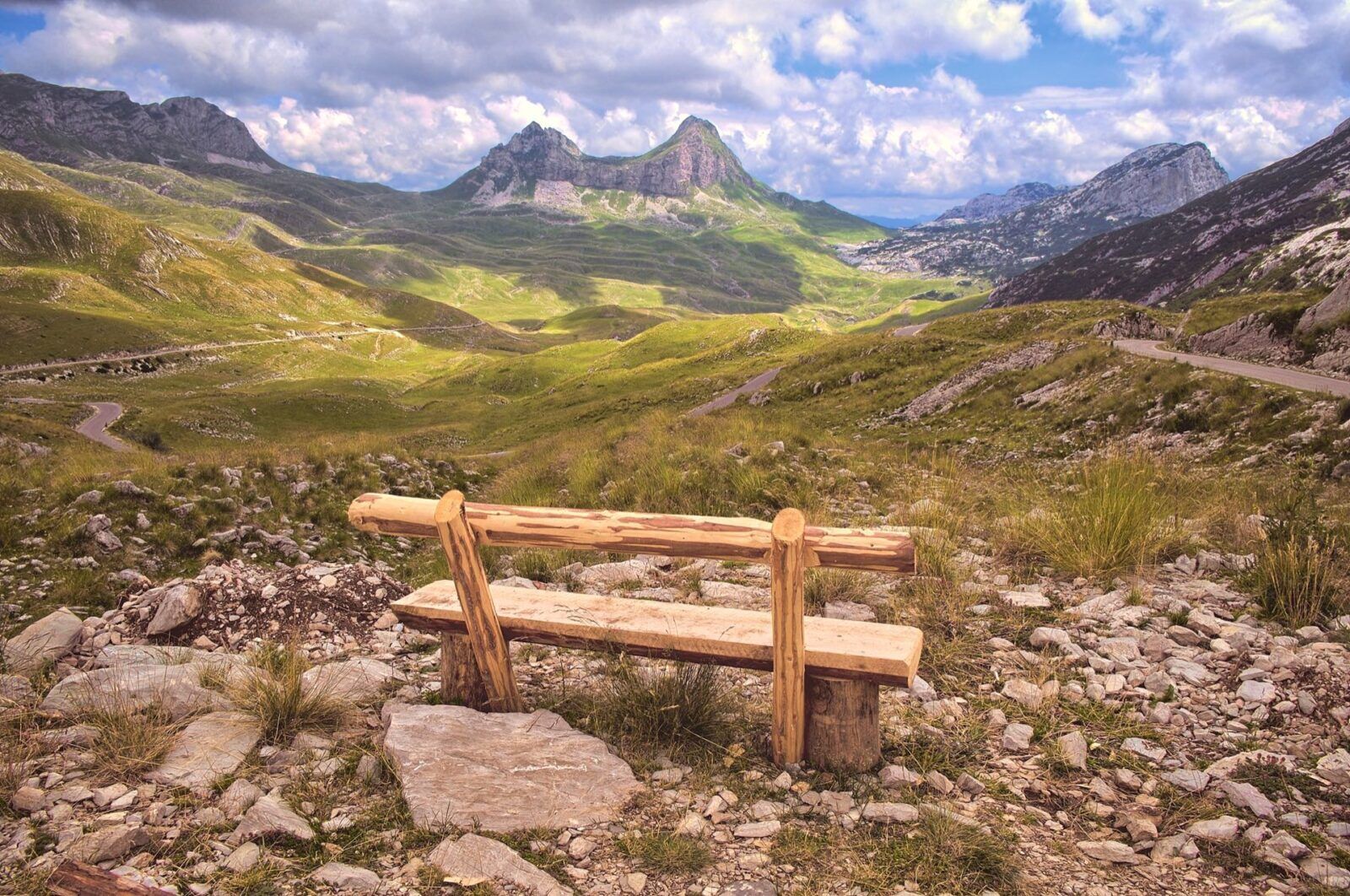
Durmitor belongs to the high mountain dome of northern Montenegro. On one side, the karst Piva surface stretches from 1,500 to 1,600 meters above sea level. Edge parts are deeply incised by the canyons of Piva, Susica, and Komarnica, making this area a real challenge for adventurers. By its inaccessibility and unreal beauty, the canyon Nevidio stands out—about 1,000 meters deep and only one meter wide. This part is characteristic for rich and diverse floral cover not typical for karst areas. Often during summer, you will come across herds and shepherds in “summer pasture homes.” These homes are interesting for their infrastructure—walls made of pure stone, steep roofs covered with “sindra” (wooden boards or tiles), and often tile limestone. The lake surface on the east side of Durmitor is rich with glacial lakes, as its name suggests. This area is somewhat tamer, richer with water and vegetation, so settlements here are more frequent. One of them, the highest small town in the Balkans—Zabljak—quickly developed and used the natural beauty to attract both domestic and foreign tourists.
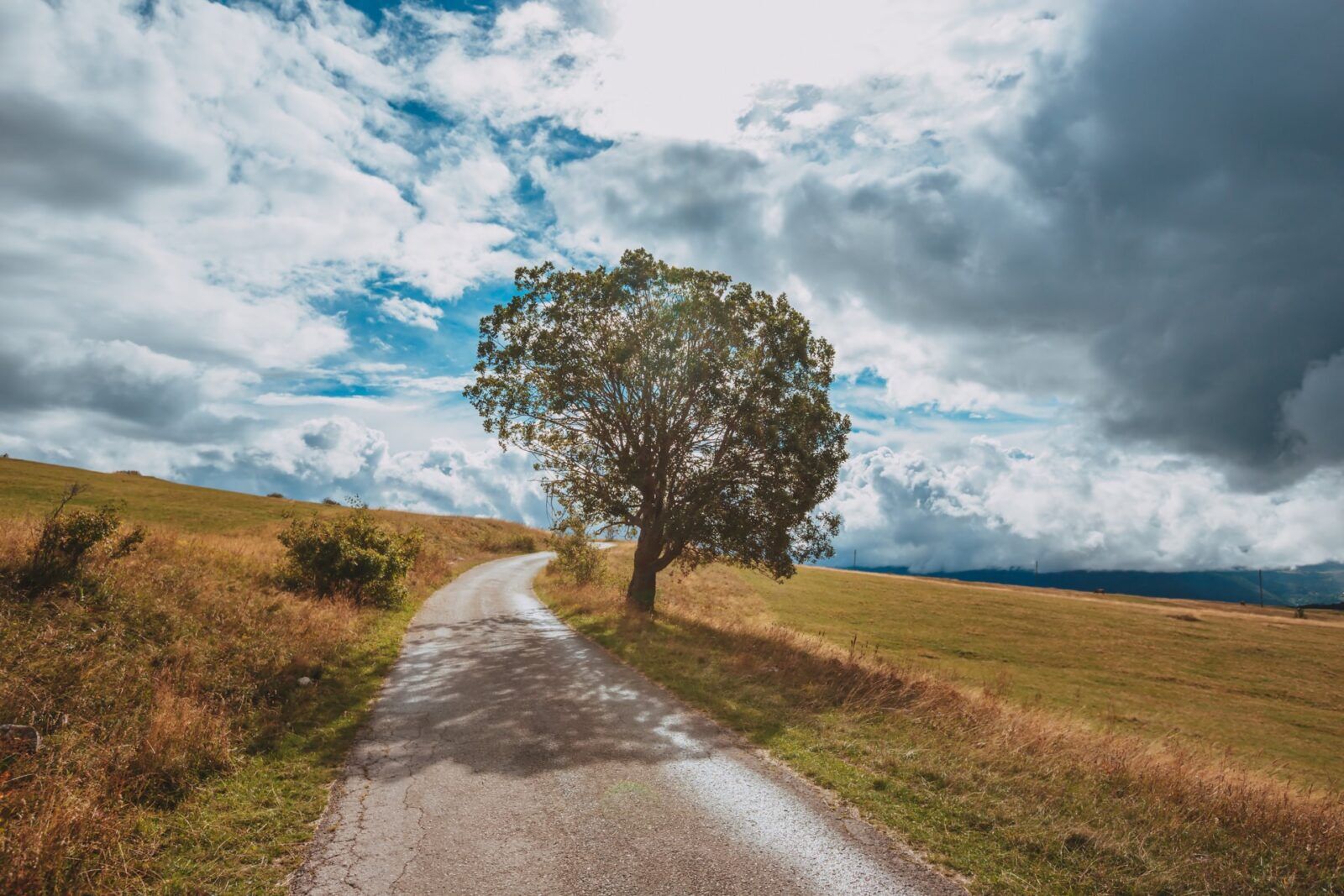
Durmitor Mountain is also the biggest mountain of the Dinar massif. It includes the north and northwest part of Montenegro and connects further with Herzegovina Mountains. Rocks and stone peaks, which rise above numerous valleys, dominate the massif, along with precipices and abysses often full of eternal snow and ice. About 15 summits over 2,000 meters dominate the landscape, leaving an impression similar to the Alps. Bobotov kuk at 2,523 meters is the highest Durmitor summit. Among people, it is known as Cirova pecina (CIRO’S CAVE), and the first man to climb it was Austrian Oscar Bauman. The view from this summit stretches hundreds of kilometers, connecting the Mediterranean in the south and the highlands of the continental Balkans in the north. Climbing Bobotov kuk takes several hours with an expert guide, not just for safety but to know every corner, hear legends, and experience nature’s elements piled here as on a small planet. Ravines, glacial lakes, cirques, and crags intersect the steep mountain, sometimes making it unconquerable. But even when life seems impossible, you might see summer pasture lodgments near jungles, creating a fascinating sight that remains in memory forever. Often, Bobotov kuk is said to look like a Montenegrin peasant house in pyramid shape. However, Bobotov kuk is not alone in beauty; other summits include Bezimeni vrh (NAMELESS SUMMIT 2,484 m), Medjed (BEAR 2,280 m) above Black Lake, Sljeme (2,477 m), and Savin kuk, extremely popular and approachable at 2,312 m. It is said that Savina voda (SAVA’S WATER), a well found here, is healing. Other notable summits are Minin bogaz, Terin bogaz (path), and Crvena greda, all over 2,000 meters. Climbs mostly demand good physical preparation and several hours of strenuous walk. Still, each effort is worthwhile, especially knowing that in August, you might find places to ski, encounter clean mountain water wells to drink from, and meet floral and animal species that Durmitor selfishly keeps as their last habitat on the planet.
Zabljak and Tourism in Durmitor Mountain
Municipality Zabljak, rich with beauties, is one of the most attractive areas not just in Montenegro but in the entire former Yugoslavia, while Durmitor is considered one of the most beautiful National parks. Its allures on 36 hectares make a strong impression on every visitor, and the entire area is a real small paradise for developing summer, winter, hunting, and other tourism. Recognizing tourism and ecological existence as its most important guidelines, Montenegro has opened a development perspective for the Durmitor area, offering mountain sights, the world’s deepest canyons, and glacial lakes to those who wish to experience unique and preserved nature in the heart of Europe. Zabljak is a famous mountain seat and climate-healing place with an extraordinarily distinguished continental climate. It is located in the highland near the mountain massif of Durmitor. It is surrounded by thick pastures, glacial lakes, and pine forests hard to find elsewhere in Europe. Zabljak offers clean air, numerous wells of transparent mountain water, and comfortable accommodation, giving all pre-conditions for rest in the silence of thick fir trees.
The climate varies from continental to alpine. For four months, the town is under snow cover over 15 cm, summers are relatively short and fresh, and winters are long and cold. As the biggest lodgment in the mountain area of Durmitor, Zabljak is a great place to start tours of this mountain’s beauties and interesting corners. Besides Zabljak, there are several smaller lodgments of typically mountain type, specific architecture, and purpose—as a kettle breeding area, Durmitor is rich with summer pastures and lodgments for kettle breeders. Municipality Zabljak has great forest complexes on about 15,000 hectares, whose biodiversity is famous in continental proportions. Zabljak also hosts the seat of National Park Durmitor, which stretches over Municipalities of Pljevlja, Mojkovac, Pluzine, and Savnik due to its spaciousness.
Water Features and Lakes of Durmitor Mountain
Durmitor area and Zabljak are extremely rich with waters. Rivers intersecting this area include Tara, Komarnica, and a range of water flows like Susica, Potoka, Draga, and others. The valley of Tara, which springs under Komovi mountain, is considered the most beautiful river valley in Europe. It goes through Kolasin and Mojkovac, and as it nears its mouth, it deeply snicks surrounding hills, creating a canyon over 1,000 meters high. With its rapids, it attacks Sinjajevina, goes under the impressive bridge on Djurdjevica Tara, slows down at Pirlitor, goes around the massif of Durmitor, and continues to Scepan polje, affiliating with river Piva. Besides exquisite beauty, Tara offers itself to kayak sport as few other destinations in Europe. From its length of 140 km, on the 78th kilometer from Proscenje to Scepan polje, its canyon is the longest and deepest in Europe and second largest in the world, making it a natural phenomenon protected by UNESCO since 1980. The 1,300-meter-deep canyon at Obzor mountain wreath inspires great respect towards nature. They call it the Tear of Europe because of its cleanness and beauty along its flow.
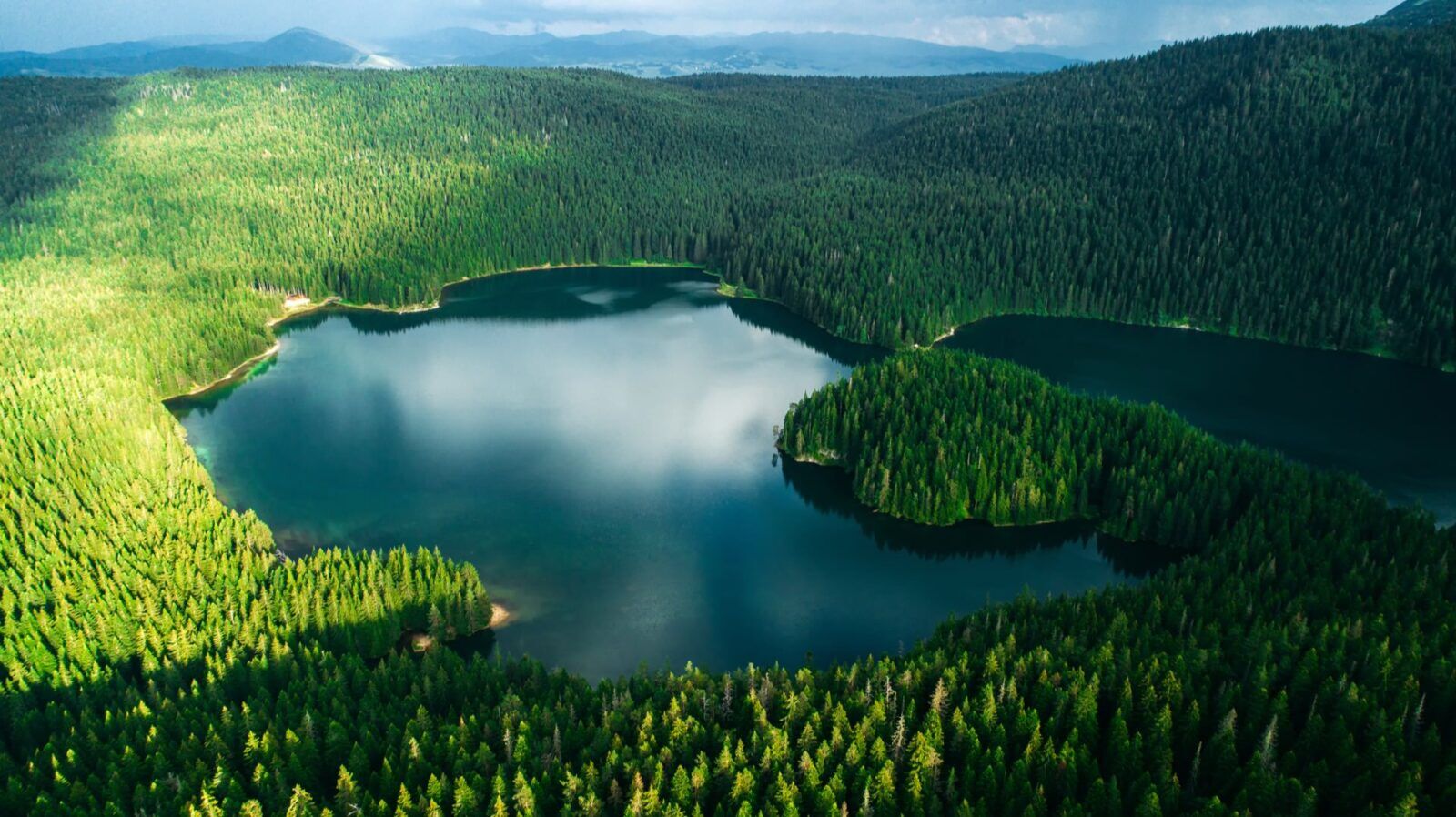
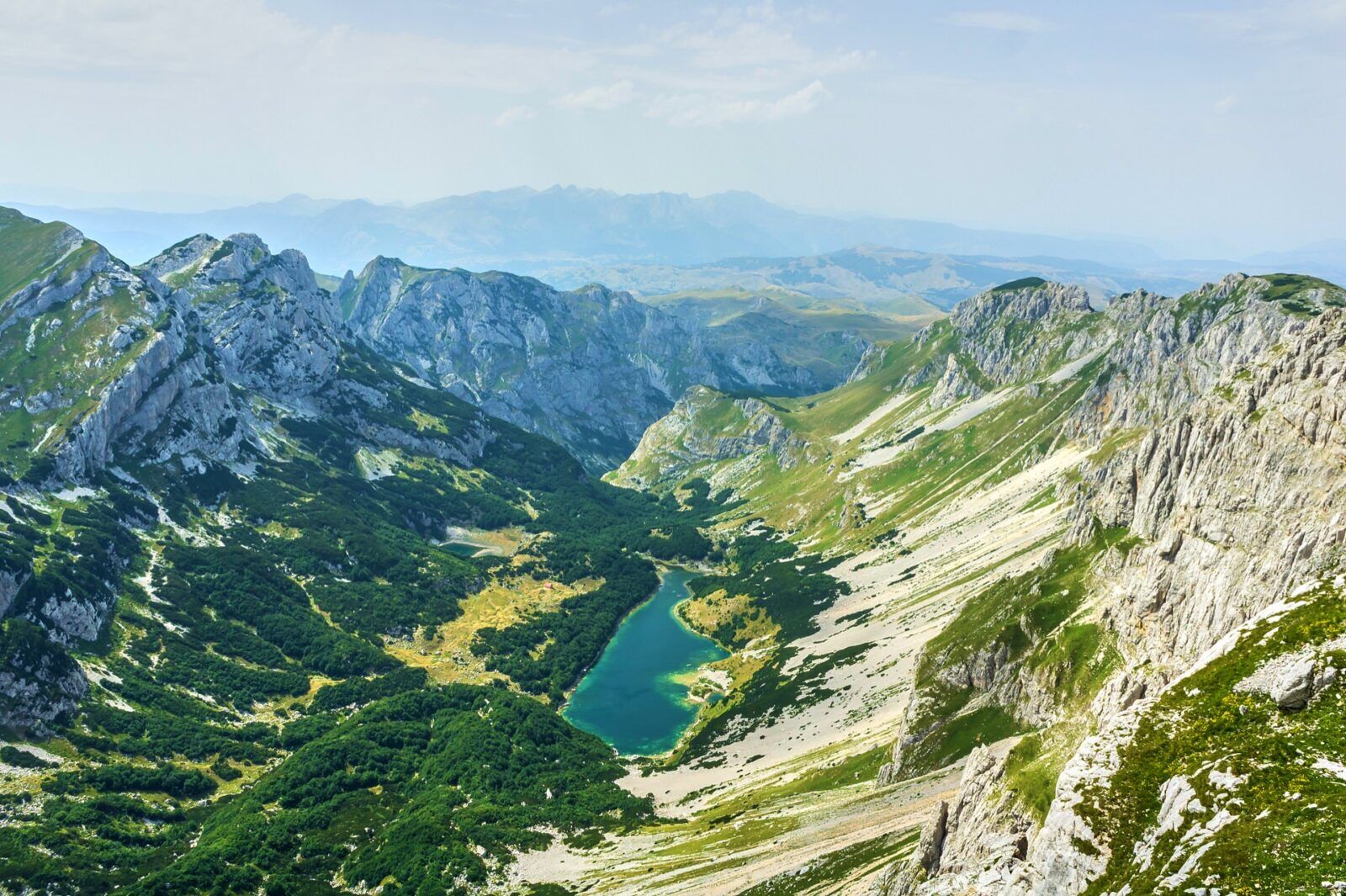
The great number of lakes on Durmitor are of glacial origin. Prime by beauty and attractiveness is Black Lake, made of two water surfaces—small and big lake. These two parts connect with a lake narrowness called Struga. Black Lake is in the heart of a conifer forest and seems hundreds of kilometers from any settlement, but you can reach it in minutes from Hotel Durmitor. The lake is at 1,442 meters above sea level, has a surface of 515,000 m², and maximal depth of about 25 meters, though in early summer months, it can rise to 40 meters. Not far from the lake, there is a spring of cold drinking water. You can camp in the surrounding area, and the lake is rich with fish, especially trout, making the impression complete. A boat ride over the lake is relaxing and extremely pleasant.
From the lake, mountain paths through thick conifer wood lead to Zmijinje Lake and Jablan’s Lake. The lakes are a synonym for this area, always an inspiration, gathering place, or research object. Barno (BOGGY), Modro (INDIGO), Valovito (BILLOWY), Veliko (BIG), and Malo (Small) Skrcko, and other lakes are called Gorske oci (ALPINE EYES), part of National Park Durmitor. Totally 18 lakes, each a world for itself, invite visitors to enjoy colors reflecting under the alpine sun from the lake surface towards the sky. Each with its story and legend is worthwhile to visit. Vrazije Lake (DEVIL’S LAKE), known for the legend about a winged horse from which Jabucilo with wings was created—the horse of Duke Momcilo—is just one in the range of Durmitor’s Alpine eyes. Srablje and Barno Lake are considered healing because of their water. Other lakes like Zeleni vir (GREEN WHIRLPOOL), Suva lokva (DRY PUDDLE), and Zabojsko Lake especially stand out with their beauty.
Flora and Fauna of Durmitor Mountain
Durmitor Mountain also advances in richness with flora and fauna. Endemic kinds and extremely rare species make this area interesting for scientists, nature devotees, and amateurs. Forests of black pine in certain places are over 400 years old, with trunks rising over 50 meters. Forest potential in the area of Durmitor is huge. Forest communities dominating in National Park are pine and spruce fir forests, beech tree, black hornbeam forest, and others. Some forest communities are under strict state protection. Five areas especially stand out—Crna poda, with trees over 400 years old; canyon of Susica, dominated by beech and maple; and several other areas with rare kinds of deciduous and conifer forests.
Of endemic kinds on Durmitor slopes, you will come across Mountain maple (acer heldreichii), Montenegrin bell-flower (edraianthus montenegrinus Horak), gentian (gentiana laevicalix Rohl), and Durmitor mullein (verbascum durmitoreum Rohl). With the law about protection of nature, numerous species have been protected, including 122 endemic kinds. A real enjoyment will be the wild fruit attainable to all mountain visitors. The animal world of this area is very rich. Only in Durmitor and Tara canyon, there are over 163 kinds of birds, most on the list of protected species. We will name only some: golden eaglets (aquila chrysaeots), Griffon Vulture (gyps fulvus), Common Raven (corvus corax)—one of the most endangered species of our ornithological fauna, dubrocopus lilifordi, etc. On Durmitor, you will also see lynx, wolf, bear, chamois, doe, and even the dark skunk. Rivers are rich with trout, char, and pilchard. Over 40 kinds of edible mushrooms grow in Durmitor area, so mushroom lovers use the opportunity to fulfill their vacation with collecting and preparing edible kinds.
Ice cave under summit Obla glava, at 2,100 meters above sea level, is approachable for all visitors. Stalactites and stalagmites, enjoyable even during summer, make this cave one of the most beautiful in Europe. On Durmitor, snow is kept year-round in certain areas, such as Velika kalica, where you can ski even during summer.