
Lovcen National Park
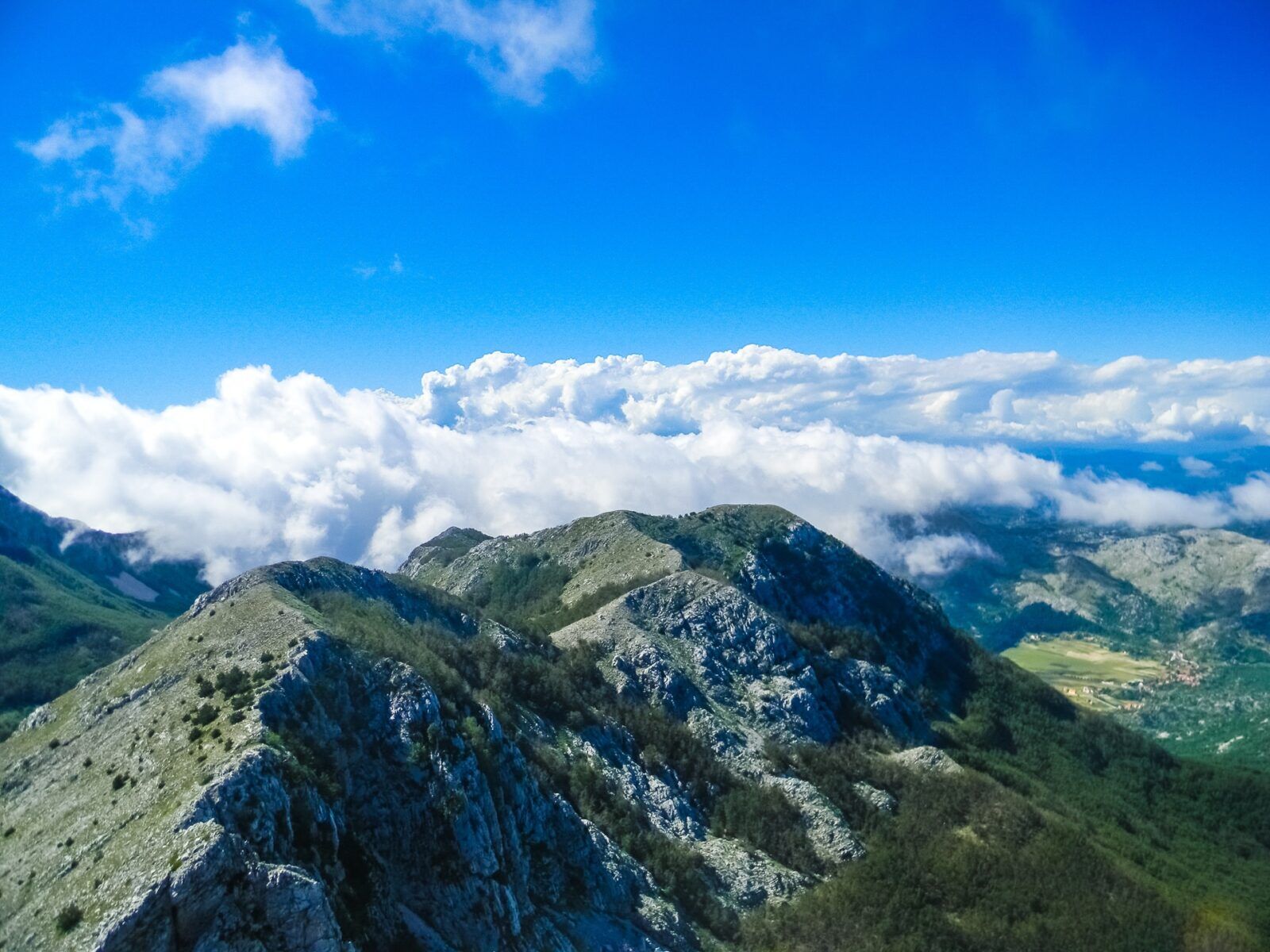
Lovcen National Park is a mountainous sanctuary in Montenegro’s Dinara Alps, rising steeply from the Budva coast to 1,749 meters. It spans 6,220 acres and blends Mediterranean and continental climates, fostering unique habitats and rich biodiversity.
Location and Natural Features
National Park Lovcen is located in the rocky region of the Dinara Alps. Slopes of Mountain Lovcen steeply rise from the coastal region of Budva and the west part of Cetinje. The park is bordered on the south with the highway Budva – Cetinje and on the north with the old Kotor road. “Black Mountain,” after which Montenegro got its name, rises to 1,749 meters of altitude. The park is 6,220 acres large, and its office is at Cetinje.
History of flora and fauna plays an important role in National Park Lovcen, which hosts nine different habitats in a very small space. This large number of habitats results in great diversity of flora and fauna. There are 2,000 plants in the park. This abundance of life stems from extreme altitudes and the influence of two climate zones: Mediterranean and Continental. Their combination in such a small area creates a unique habitat.
Cultural and Historical Significance
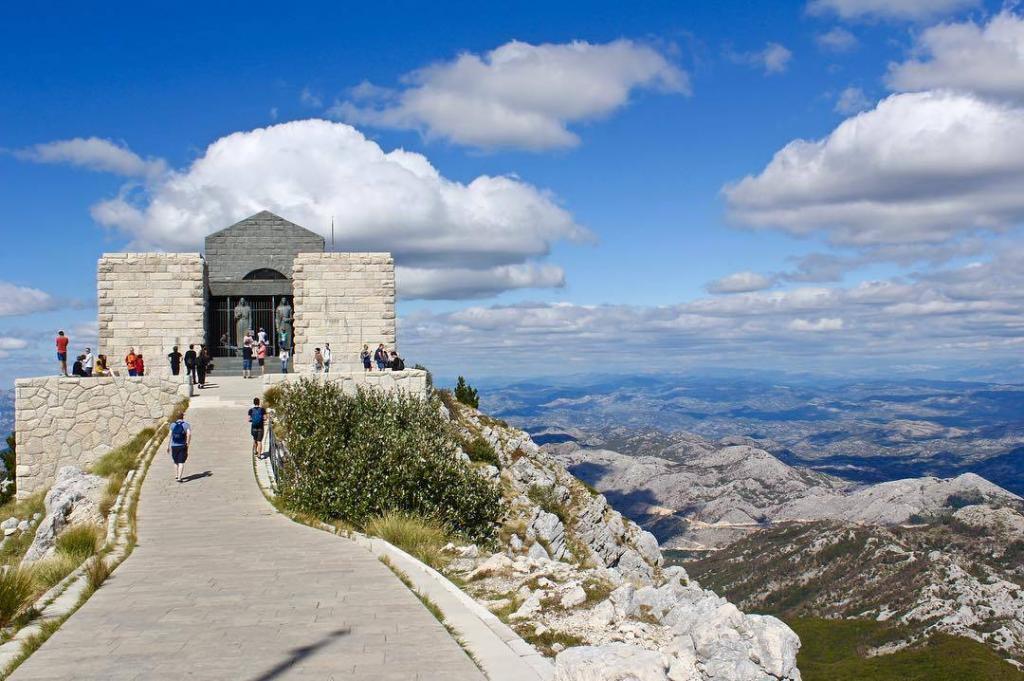
In this park is the mausoleum of Montenegrin ruler and poet Petar II Petrovic Njegos. That imposing building has 461 stairs that lead from the parking lot to the mausoleum itself. Its construction started in 1951 and was opened to the public in 1974. All the region of mountain Lovcen Montenegrins consider sacred. As verses from a famous song say, “Lovcen is our Holy altar.” Lovcen is a symbol of Montenegro and gives it national identity. In short, what the Statue of Liberty is for Americans, that is mountain Lovcen for Montenegrins.
History
This region witnessed the coming and flow of history from Illyrians and Romans to the arrival of Slav Tribes. Cetinje became a stronghold of Christianity and the capital of Montenegro, never conquered by Turks. In 1885, relics of Petar II were moved to the top of mountain Lovcen into a little church. During WWII, Austrian soldiers destroyed the church, and the Prince’s body was relocated for safekeeping. A new church was built at the same place, and the Prince’s relics were moved to it. The plan for building the mausoleum was approved, and construction started in 1951. It lasted 23 years and opened to the public in 1974.
History of the Park
This park is over 50 years old and has aroused strong emotions in the hearts of Montenegrins for centuries. Petar II, one from the last great Montenegrin dynasty Petrovic who lived in a nearby village (in zone VI of the park), wrote: “Proud Lovcen Mountain, head above clouds higher under you proudly considers all marvelous nature creates.”
Recreation and Access
The most popular sport at high snowy slopes is Nordic skiing. Other popular activities are hiking and walking through the park. There is also a small adventure park located in Ivanova Korita.
Transport and Connection
Much bus traffic occurs among Cetinje, Bar, Budva, and Podgorica. It is possible to hire a taxi that transports passengers to the park. For a visit to the park, most guests use their own or rented cars.