
Podgorica
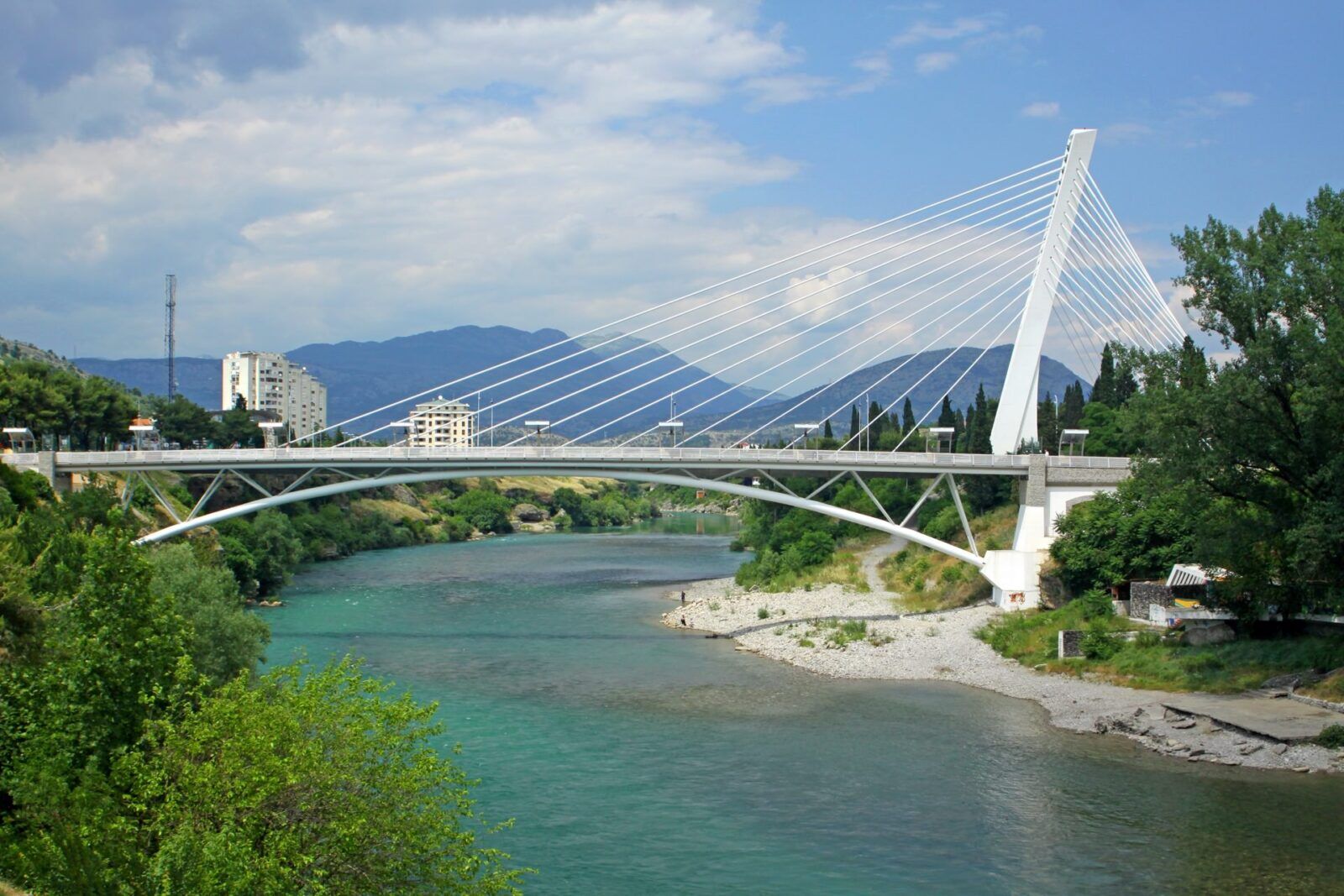
Podgorica, Montenegro’s capital, is a modern city built among five rivers after WWII destruction, offering cultural events, green spaces, and excellent transit connections, with nearby Skadar Lake as a key natural attraction.
Podgorica: A Modern City with Rich History and Culture
The name Podgorica originates in 1326, and it is built amongst five rivers: the Zeta, Moraca, Ribnica, Cijevna, and Sitnica. Most of the city was destroyed during WWII, so Podgorica is relatively new, with modern buildings at every step of the way, along with green spaces and parks. Consequently, Podgorica hosts a number of cultural events and features many theatres, such as Crnogorsko Narodno, Gradsko, and Dodest.
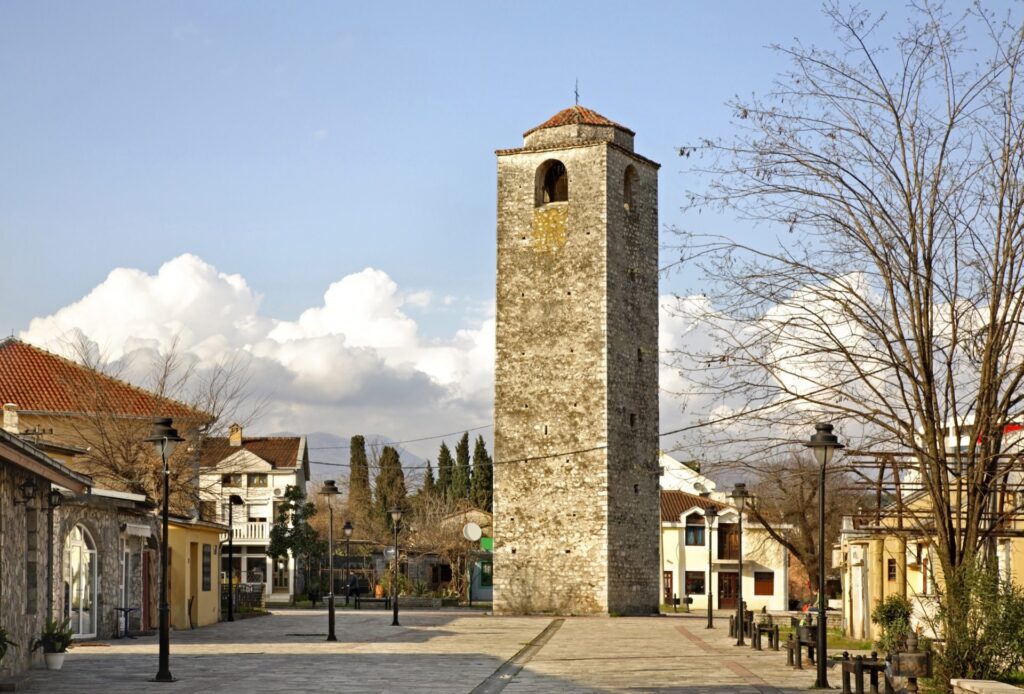
Further cultural and historic monuments in and around Podgorica include Sahat-kula Adzi-pasa Osmanagica, the ruins of Nemanjica Grad, remnants of the city of Doclea, Stara Varos, and Vezirov. Moreover, Podgorica has excellent transit connections with other centres, making it easily accessible for visitors.
Transportation and Accessibility
At nine kilometres from the city is the International Airport, with railway and bus stations close to one another, ensuring convenient travel options.
Natural Attractions: Skadar Lake
For tourists, the most interesting part of the Podgorica municipality is National Park Skardarsko or Skadar Lake, the biggest lake in the Balkans, with an amazing number of birds and plants, some of which are very rare.
Discover Podgorica’s Hidden Gems
Explore the most iconic landmarks, historical sites, and must-see spots that make this destination unique.
Learn More about Podgorica
Dive deeper into the local culture, history, and practical travel advice to prepare for your upcoming journey.